5-Minute Money Check: Are You on Track? By Raquel Tolman on 3/24/20265 Minute Money Check: Are You on Track?
Your physical and mental health are crucial, but there’s something else that has major impacts on your wellbeing: your financial health. After all, money stress can take a serious toll on your life. But how do you know if your finances are in good shape? Here’s a simple checklist to help you find out.
Start with Your Credit Score
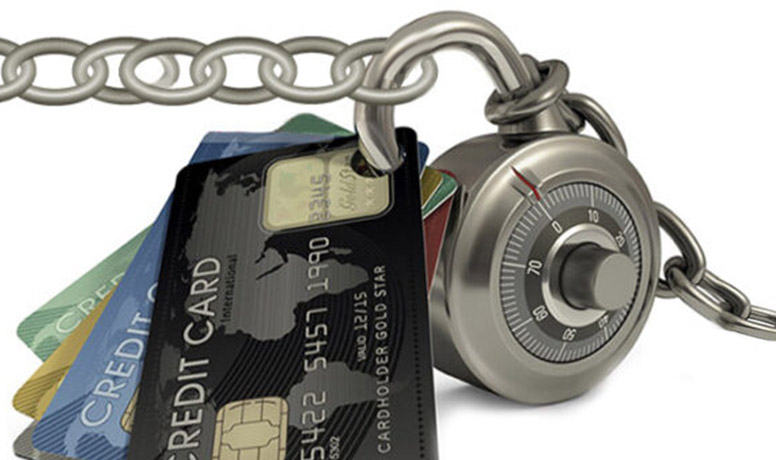
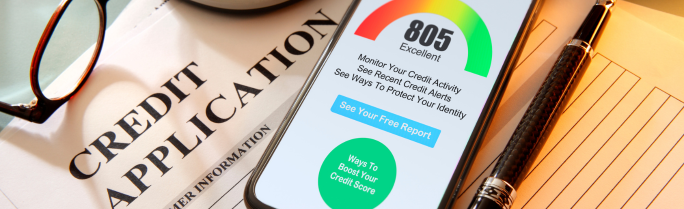
Think of your credit score as a “financial report card.” The higher it is, the healthier your finances likely are. A strong credit score shows lenders you’re responsible with money, which can help you get better interest rates on loans and credit cards.
Retirement Savings
Even if retirement feels far away, it’s never too early to start saving. Using a retirement calculator can help you see if you’re on track. You don’t need to save a huge amount every month; small, consistent contributions add up over time.
For example, I stopped buying coffee every morning and started putting that money into savings instead. It’s amazing how skipping a few daily lattes can grow into significant savings. Every little habit like that adds up.
Debt-to-Income Ratio (DTI)
Everyone has some kind of debt, whether it’s mortgage, student loans or credit cards. What matters for financial health is your debt-to-income ratio (DTI).
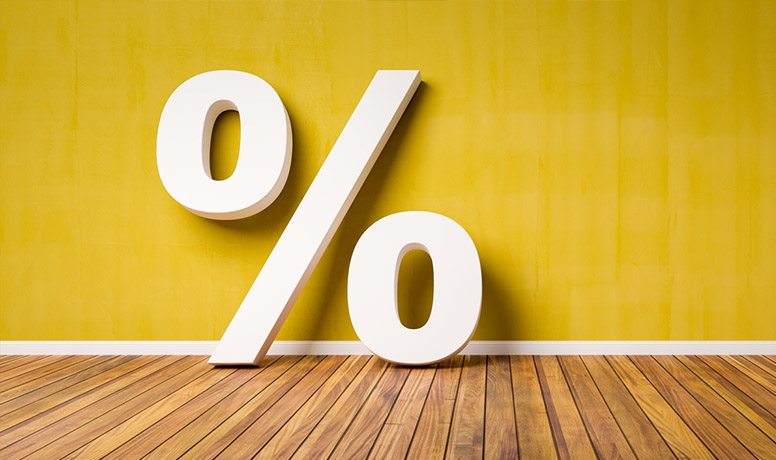
DTI is the percentage of your monthly income that goes toward debt payments. Divide your total monthly debt payments by your gross monthly income. Aim for 35% or less.
For example, if your monthly debt payments are $1,200 and you earn $4,000 per month, your DTI is 30%, a healthy range that shows you’re managing debt without it taking over your finances.
Short-Term Savings & Emergency Fund
Being financially healthy isn’t just about long-term goals, it’s about handling life’s curveballs. A short-term savings or emergency fund can cover unexpected expenses like car repairs, medical bills or sudden job changes.
Ideally, aim for 3–6 months of fixed expenses saved. Even small weekly contributions add up. $50 a week becomes over $2,500 a year. That cushion can prevent financial stress when something unexpected comes up.
At BrightBridge, our BridgeBuilder High Yield Savings Account makes it easy to build your savings. With competitive interest and easy access to your savings, BridgeBuilder helps your money grow while keeping it ready for whatever life throws your way.
Take One Step Today
Rebuilding your credit takes patience and consistency. Focus on:
- Paying on time, every time
- Keeping your credit utilization low
- Sticking to your budget
Financial health isn’t about perfection, it’s about making progress. Take a moment to review your budget, check your debts or set a savings goal. With BrightBridge by your side, every small step you take now moves you closer to greater financial confidence and peace of mind.
Category: Budgeting & Debt Reduction
« Return to "Blog"
.png)


























.png)
.png)


.png)


.png)
.png)
.png)

